How to Transform Your Financial Mindset: From Consumer to Successful Investor 🧠💰How to Transform Your Financial Mindset: From Consumer to Successful Investor 🧠💰

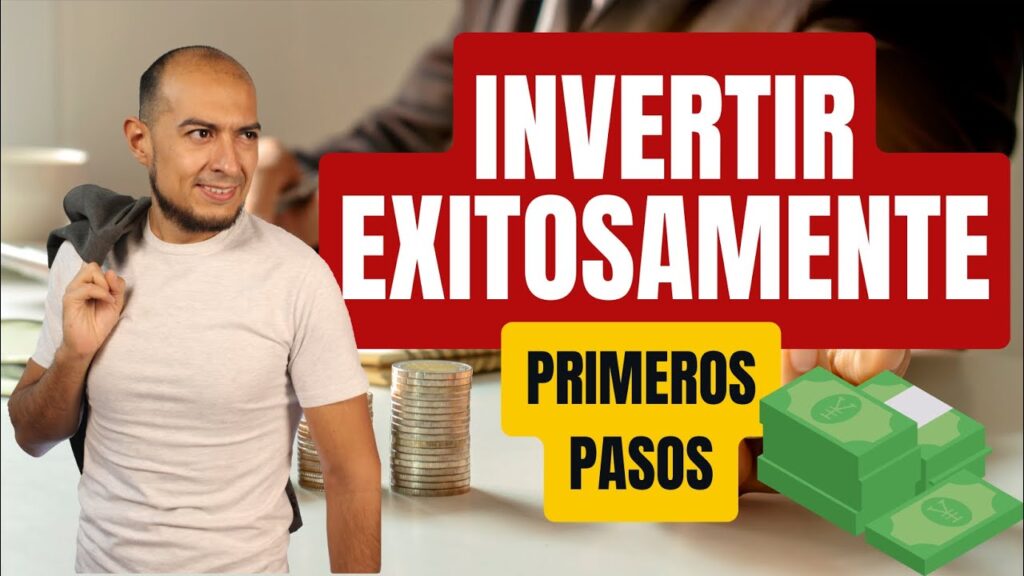
How to Transform Your Financial Mindset: From Consumer to Successful Investor 🧠💰
Breaking the Consumerism Cycle 🎯
Investing is one of the most challenging decisions you can make in your life, but also one of the smartest. The main problem is that we lack a culture of saving and even less of investing. This is one of the first corrections we need to make in our financial life.
In universities, schools, and traditional education, these essential habits are rarely taught. Why? Because our social system prefers consumers who constantly spend, keeping the economic wheel turning. This approach leads to debt, excessive spending, and lifestyles based on appearances, creating long-term financial conflicts.
The first step is to eliminate factors that harm our financial health and then make smart investment decisions.
1. 🎭 Identify Your Current Financial Profile
The Three Types of Financial People
I like to classify people into three categories: Type A, Type B, and Type C. Depending on where you fall, the actions to improve your saving and investing capacity will be different.
Type A: The Natural Saver 💹
Situation: People with significant saving capacity
Characteristics: Basic expenses covered + leftover funds available
Behavior: Can afford leisure activities (travel, cinema, restaurants) without compromising finances
Investment potential: High – can allocate 5% to 30% of income
Type B: The Balanced ⚖️
Situation: Spends exactly what they earn
Characteristics: No significant debt, but no saving capacity
Behavior: Financially stable life but without growth
Investment potential: Medium – requires expense optimization
Type C: The Indebted 🚨
Situation: Income insufficient to cover debts
Characteristics: Constant financial stress
Behavior: Minimum payments, accumulating interest
Investment potential: Low – requires complete restructuring
2. 💡 Strategies for Each Financial Profile
For Type A: Maximizing Your Advantage
If you are Type A, you have the perfect opportunity to build wealth. The recommendation is to allocate 5% to 30% of your income to investments. This percentage depends on:
Your level of financial flexibility
Your personal and professional goals
Your risk tolerance
Immediate action: Don’t invest everything at once. Create a diversified portfolio that aligns with your long-term objectives.
For Type B: Finding Hidden Savings 🔍
As a Type B, your main strategy is to identify and eliminate unnecessary expenses. Common examples:
Unused subscriptions (Netflix, Spotify)
Daily cumulative expenses (coffees, dining out)
Duplicate or underused services
Personal case study: I eliminated a $30 monthly phone plan where only 10% went to the device capital. After evaluating my actual usage, I switched to a $10-$15 plan, saving about $180 per year.
Optimizing Home Services 🏠
In my family experience, we reevaluated cable, internet, and phone services. By changing providers and removing redundant services, we achieved:
20-25% savings on monthly expenses
Improved internet service (from 5 Mbps to 30 Mbps)
Greater efficiency in resource use
3. 🚀 Solutions for Type C: Regaining Control
Opportunity Cost Analysis ⏰
If you are Type C, the first step is to evaluate your work situation through opportunity cost analysis. Consider:
Commute time: 1-2 hours daily lost
Transportation costs: Fuel, maintenance, fares
Eating out: Meals and snacks
Energy expenditure: Impact on productivity and health
Real example: A 10-hour workday + 2 hours commuting + 1 hour for meals = 13 hours per day dedicated to work.
Work Restructuring Strategies 
Look for a closer job: Even if the salary is lower, the savings in time and transportation can make up for it
Develop new skills: Use the freed-up time for training
Evaluate your market value: Compare your salary with the industry average
Consider radical changes: If you’re below the average, consider switching fields
Generating Additional Income 
If you are above the salary average but still Type C:
Develop side businesses
Leverage existing skills for freelancing
Identify market needs you can fulfill
Consider digital commerce or online services
4.
Practical Tools for All Profiles
Financial Tracking System 
Implement a method to monitor:
Fixed vs. variable expenses
Recurring consumption patterns
Optimization opportunities
Progress toward savings goals
Three-Account Method 
Essential Expenses Account: 50-60% of income
Savings/Investment Account: 20-30% of income
Personal Development Account: 10-20% of income
Gradual Reduction Technique 
Identify 3 dispensable expenses this month
Cancel 1 automatic subscription
Negotiate 1 service (insurance, internet, phone)
Replace 1 costly habit with an economical alternative
5.
Transition to an Investor Mindset
Fundamental Paradigm Shift
Transform your thinking from:
Short-term → Long-term
Immediate consumption → Future investment
Temporary satisfaction → Lasting security
Working for money → Let money work for you
Building Sustainable Habits
Continuous education: Learn about personal finance
Automation: Schedule automatic transfers to savings
Patience: Understand that wealth builds gradually
Consistency: Stay the course despite fluctuations
Preparation for the Next Level 
Once your saving capacity is established:
Define your risk profile
Research investment options
Set clear goals
Develop a specific action plan
Your Financial Transformation Begins Today 
Regardless of your current profile (A, B, or C), you have the power to change your financial situation. The key is to take immediate action, be honest with yourself about your habits, and maintain discipline throughout the process.
Are you ready to break the cycle of consumerism and start your journey toward financial freedom? Every small adjustment to your expenses, every conscious review of your services, every informed decision about your career… all are concrete steps toward the financial success you deserve.
Watch the full video to learn the rest.
#FinancialTransformation
Responses